

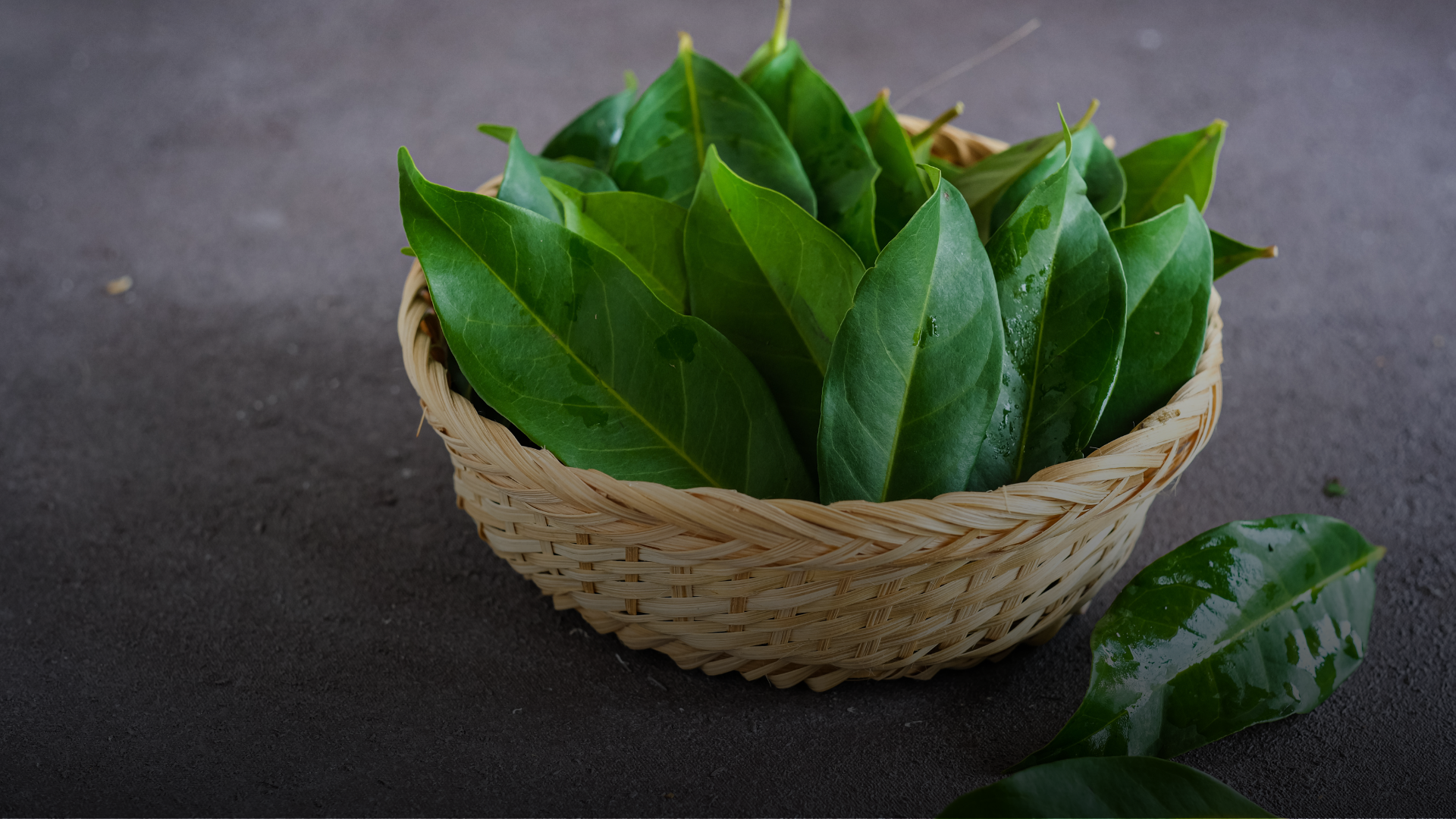
The Ancient Healer’s Counsel: The Mysteries of Bay Leaves
Gather round, seekers of the hearth and cauldron, for I shall share with you the secrets of the noble bay leaf, cherished by healers and cooks since the dawn of time. In the shadowed groves where the laurel tree grows, its leaves—both fresh and dried—hold powers that can transform the simplest broth into a potion of comfort and strength.
When the leaf is plucked fresh from the bough, its spirit is sharp and bold. The taste is bitter, its breath pungent, carrying the essence of eucalyptus and the coolness of menthol. Use it with care, for its magic is strong and fleeting. In dishes that cook but briefly, or when you desire a whisper of the wild wood’s freshness, the fresh bay leaf will serve you well. Yet beware: if left to simmer too long, its power may turn harsh, and the potion may become bitter, as if the forest itself has grown displeased.
But when the leaf is dried, its nature changes. The bitterness softens, and in its place arise warm, woody notes—like the embrace of thyme and oregano, with hints of clove, cinnamon, pine, mint, and citrus. The dried leaf is steadfast, its flavour enduring through the longest stews and broths. It is the healer’s ally for potions that must simmer and meld, lending depth and warmth to every drop.
The Healer’s Guidance
- For long-simmered brews—stews, stocks, sauces, and gravies—choose the dried bay leaf. Its strength endures, and its spirit weaves through the dish, bringing harmony and depth.
- For swift preparations or when a lighter, brighter note is desired, the fresh bay leaf may be summoned. But heed this warning: its power is potent, and too much may overwhelm the senses.
Thus, let the wisdom of the laurel guide your hand. Whether fresh or dried, the bay leaf is a gift from the earth, to be used with respect and understanding. May your cauldrons bubble with flavour, and your hearth be ever warm.
From the scrolls of the Kitchen Witchery
With love,
Trudy Glenister • Kitchen Witch